
12 Things I Did That Actually Helped My Morning Sickness

Updated: May 8

Let me start by saying that I know every woman—and every pregnancy—is completely different. Some women make it through without an ounce of morning sickness or nausea (God bless), while others feel like they’re glued to the toilet for weeks on end with little relief.
I’ve also heard from women who feel like they’ve tried everything and nothing seems to work.
That’s where I hope this post can be a little different. These are the things that genuinely helped me manage my morning sickness—and I hope at least a few of them can help you too.
A note: I only share products I truly love. I’ve linked a few throughout this post to make things easier for you 🤍 Some of these may be affiliate links, which means I may earn a small commission if you purchase (at no extra cost to you). I hope they’re as helpful for you as they’ve been for me!
My Experience

While I can’t promise that these tips will work for everyone, I do want to share my personal experience so you know where I’m coming from.
One thing I did have to laugh about was the term “morning sickness.” It led me to believe I would only feel unwell first thing in the morning—which was definitely not the case for me.
Interestingly enough, mornings were usually when I felt my best. As the day went on, so did my symptoms. More often than not, my worst bouts of morning sickness hit around dinner time.
During most of my first trimester, I experienced several of the common symptoms, including:
Nausea and general queasiness
Strong food aversions
Heightened sensitivity to smells
That strange feeling of being overly full
Thankfully, I found ways to manage these symptoms so they never escalated too far. I only threw up once during my first trimester, and whenever I started feeling off, I would turn to one (or a combination) of the methods I’m about to share.
My hope is that some of these strategies bring you relief the way they did for me—and maybe even help you better understand what your body is trying to tell you. Because at the end of the day, our bodies aren’t working against us—they’re communicating with us. And when we start to listen, it can make a world of difference.
Here are the things that truly helped my morning sickness.
Tip 1: Eating Every Two Hours

I can guarantee at least three people read that heading and immediately rolled their eyes.
I can practically hear the thoughts now:"Gee Stephanie, clearly you’ve never experienced morning sickness if you’re telling me to eat more."
Trust me—I get it. When you’re feeling queasy or unwell, the last thing you want to do is eat.
But surprisingly, that might actually be the key to feeling better.
We’re often told to expect nausea during pregnancy. And while it is very common, I think sometimes that message can make it feel like there’s nothing we can do about it.
In reality, there are often underlying triggers—and once you understand them, you can start to manage your symptoms more effectively.
One of the biggest contributors to nausea? Blood sugar crashes.
What Can Cause Blood Sugar To Drop:
Going too long without eating
Not eating enough overall
Eating mostly quick carbs without protein or fat
Feeling nauseous → eating less → creating a cycle
🤢 Why Low Blood Sugar Can Make You Feel Worse
When your blood sugar dips—especially during pregnancy when your body needs more energy—your brain essentially signals that it needs fuel immediately. This triggers stress hormones, which can make your stomach more sensitive.
So even though your body needs food, the result can be:
nausea
dizziness
shakiness
weakness
Why Eating Every Two Hours Helps
By eating small, consistent meals or snacks every couple of hours, you help prevent those drops in blood sugar from happening in the first place.
And when you prevent the drop, you can often prevent the symptoms of morning sickness that come with it. Even if it’s just a few bites of something simple, keeping your body fueled consistently can make a huge difference.
Tip 2: Eat Small Snacks Instead Of Meals

This tip goes hand-in-hand with the first one.
If you’re eating every two hours, chances are you’ll naturally start snacking or grazing rather than sitting down for full-fledged meals.
And honestly, that can make a huge difference.
Snacking helps prevent you from becoming too hungry or too full, both of which can trigger nausea.
🍽️ Why Being Too Hungry Triggers Nausea
When you go too long without eating, stomach acid begins to build up. At the same time, your brain starts sending signals like, “We need food—now!”
Between the increase in stomach acid, the stress response, and the blood sugar dips we talked about earlier, your body can quickly start to feel off.
🤰 Why Being Too Full Also Triggers Nausea
This one might surprise you.
You might be thinking, “I just ate… shouldn’t I feel better?”
But during pregnancy, digestion actually slows down. So when you eat too much at once, food sits in your stomach longer than usual.
That can lead to pressure, discomfort, and—you guessed it—nausea.
For me, whenever I ate too much, it felt like the food was just sitting in my chest. It made it hard to breathe comfortably, and I constantly felt like one wrong move might bring everything back up.
🫐 Snacks That Worked For Me
Here are some of the snacks that worked best for me during the first trimester. They helped keep my blood sugar stable without making me feel too full—and they were safe from my super-sensitive nose.
🥜🍇 A handful of nuts and grapes→ Pairing something sweet with protein helps prevent blood sugar spikes
🍓🫐 Berries→ Any kind works, but I especially loved blueberries and strawberries
🧀 A cheese stick and crackers
🥦🥕 Veggies and hummus
🥚 A hard-boiled egg and a pickle
The key for me was keeping things simple, balanced, and easy to tolerate.
Tip 3: Focusing On Protein In The Morning
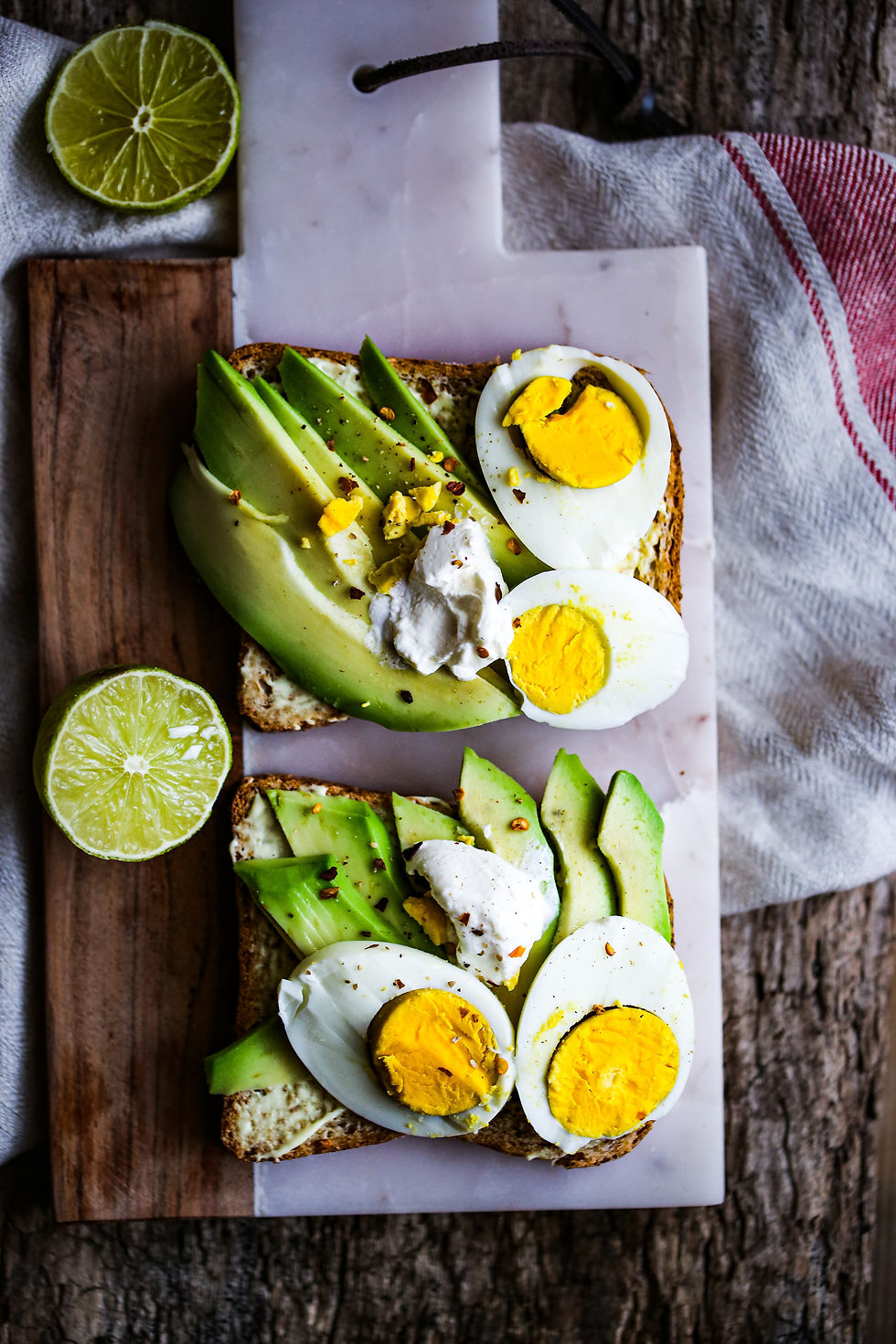
Protein is seriously underrated—and it becomes even more important during pregnancy.
Your protein needs naturally increase, as it plays a key role in your baby’s growth, placenta development, expanding blood supply, and even supporting your own muscles and energy levels.
🧠 Why Protein Helps with Morning Sickness
Protein is also a powerful blood sugar stabilizer.
It slows down how quickly food is digested and absorbed, which means instead of experiencing a quick spike and crash, your body gets a more steady release of energy.
And more stable energy often means less nausea.
🌅 Why Mornings Matter Most
For many women, mornings are when nausea hits the hardest.
That’s because your blood sugar is typically at its lowest after going all night without eating.
Starting your day with protein can help bring your levels back up more steadily, preventing that crash and helping you feel more balanced.
It can also keep you fuller longer, which may reduce the urge to reach for quick, carb-heavy foods that don’t always sit well.
🍞 A Quick Example
Let’s say you reach for something simple like toast (which is a very common go-to when you’re feeling nauseous).
While it may feel easy in the moment, carbs are broken down quickly into glucose, which can lead to a spike—and then a crash—not long after.
Now, if you pair that toast with something like eggs, the protein helps slow that process down, keeping your energy more stable and potentially helping you feel better longer.
💡 Pro Tip: Eat Before You Even Get Up
One thing that really helped me was keeping a small, protein-rich snack by my bedside—like a handful of nuts.
Before even getting out of bed, I would eat a few and wait about 5–10 minutes.
It helped stabilize my blood sugar before my feet even hit the floor, which made a noticeable difference in how I felt. It’s a small shift, but it can make a big difference in how your mornings start.
Tip 4: Stick To Mostly Cold Foods

For me personally, one of my biggest triggers for nausea was strong or unpleasant smells.
And unfortunately, most of those smells came straight from the kitchen.
Typically, the hotter the food, the stronger the smell. Think about it—you can smell a soup simmering on the stove or a meal baking in the oven, but you rarely notice the scent of something like a fruit salad sitting on the table.
🤢 Why This Matters
During pregnancy, your sense of smell becomes much more heightened.
So foods that normally wouldn’t bother you can suddenly feel overwhelming—and that alone can trigger nausea.
Chicken, soups, and hot beverages were some of my biggest offenders. Just the thought of smelling them would have me gagging.
Luckily, I realized I didn’t have the same reaction to cold foods.
They may not have been as comforting, but they felt lighter on my stomach and were much easier on my nose. Plus, they fit perfectly into the “eat every two hours” routine I had already started.
🫐 My Favorite Cold Foods
Here are some of the cold foods that worked best for me:
🍎 Fresh fruit
🥗 Salads
🥦 Veggies and hummus
🥪 PB&J sandwich
🍧 Yogurt
🥒 Pickles
🧀 Cheese and crackers
🥜 Granola bars
🍠 Sweet potatoes (cooled)
If smells are a trigger for you, sticking with colder foods can make a bigger difference than you might expect.
Tip 5: Utilize Ginger Chews

Ginger has been used for centuries to help combat nausea—and for good reason.
It’s a natural remedy that works by calming the stomach and relaxing the digestive tract. It can also help “turn down the volume” on nausea signals, making you feel more at ease.
🌿 Why Ginger Helps
Ginger also supports digestion by stimulating digestive juices and helping break down food already in your stomach.
This can ease that uncomfortable “too full” feeling that often contributes to nausea.
On top of that, ginger has anti-inflammatory properties, which can help reduce irritation in the gut.
And as I like to say, a calm gut is a happy gut.
🥤 A Quick Note About Ginger Ale
I’ll be honest—ginger ale was one of the first things I reached for during my first trimester.
Like many people, I associated it with stomach bugs and feeling better.
And while it did help temporarily, the relief didn’t last.
That’s because most ginger ales are packed with sugar, which can lead to blood sugar spikes and crashes—something we now know can actually make nausea worse.
The carbonation may also increase that “too full” feeling, and surprisingly, most ginger ales contain very little real ginger.
🍵 A Better Alternative
Instead, you might want to try something like ginger tea or ginger chews.
Personally, I preferred ginger chews since hot beverages weren’t sitting well with me during my first trimester.
I used Prince of Peace Natural Ginger Chews, and they made a noticeable difference. Whenever I felt nausea coming on, I would have one or two, and it really helped take the edge off.
It’s a simple, natural option that can be really helpful to keep on hand throughout the day.
Tip 6: Drink Kombucha

I know this next tip might come with a bit of controversy.
Kombucha during pregnancy is definitely one of those debated topics. So let me start by saying—if this doesn’t feel right for you, that is completely okay. Nothing on this list is mandatory, and there are plenty of other options to choose from.
That said, I included it because, for me personally, this was the one thing that completely eliminated my nausea on my worst days.
Let me explain why this is such a hot-button topic.
🌿 The Pros
Some women (like me!) find kombucha incredibly helpful for managing morning sickness.
Here’s why:
Digestive support: The probiotics in kombucha can help your gut process food more smoothly (and remember—a calm gut is a happy gut)
Reduces that “too full” feeling: The natural acids can help break down food and ease that heavy sensation
Can help settle the stomach: The light carbonation may have a similar effect to sparkling water
Unique flavor: Its slightly tangy taste can cut through unpleasant flavors or that dry-mouth feeling
⚠️ The Cons
Kombucha’s safety during pregnancy is debated, and there are a few reasons why some providers may advise caution:
Trace alcohol content:Kombucha is fermented, so it contains a small amount of alcohol (typically under 0.5%, which is considered non-alcoholic).However, some women prefer to avoid even trace amounts.
For perspective, similar trace amounts can also be found in:
Ripe bananas
Orange juice
Bread (from yeast fermentation)
Often unpasteurized: Some kombucha contains live bacteria. While beneficial for gut health, certain experts recommend avoiding unpasteurized products during pregnancy due to potential risks if improperly handled.
Contains caffeine:Kombucha is made from tea, so it does contain small amounts of caffeine.
Most providers recommend staying under 200 mg per day, and kombucha typically falls well below that range:
☕️ Coffee (8 oz): ~80–100 mg
🍵 Green tea (8 oz): ~25–50 mg
🥂 Kombucha (8 oz): ~10–25 mg
Quality varies: As with any product, quality depends on the brand. Sugar content, alcohol levels, and bacterial strains can vary, so choosing a reputable brand is important.
💭 Why I Chose to Drink It
Despite the potential concerns, I chose to drink kombucha during my first trimester—and still enjoy it today.
A few reasons why I felt comfortable:
I was already drinking it regularly before pregnancy
I spoke with my midwives and got their approval
I chose a brand I trust for quality and safety
For me, the benefits were immediate and noticeable, which made it worth it.
That said, this is a personal choice, and I always recommend speaking with your healthcare provider before introducing something new during pregnancy.
This was definitely one of the more debated remedies I tried—but also one of the most effective for me.
Tip 7: Enjoy My Favorite Pregnancy Mocktail

I can’t take full credit for this recipe.
Honestly, I think it started when I scrolled through Instagram and saw a bunch of “mommy mocktail” ideas that caught my attention. From there, I just started mixing ingredients I liked until I landed on something that actually worked for me.
And let me tell you—this mocktail was a lifesaver during my first trimester.
My nausea tended to peak around dinner time, and sometimes nothing seemed to help. When I needed a break from kombucha, this became my go-to. It not only helped settle my stomach, but it also felt like a little treat, which, let’s be honest, you need during that phase.
That said, I do want to give a quick heads-up: depending on what you use, this can be a bit higher in sugar. So when you enjoy it, try pairing it with a protein-rich snack or doing a little movement afterward to help balance things out.
🍹The Recipe
Ice cubes (as many or as few as you like)
→ I personally found that the colder the drink, the better it felt
Fill half the glass with ginger ale
→ or use seltzer water for a lower-sugar option
Fill most of the remaining space with regular water
Add a splash of cranberry juice
Finish with a fresh squeeze of lemon and lime
💡 Optional Variation
If you prefer a more tart flavor, you can switch the ratios:
Half cranberry juice
Half water
Splash of ginger ale
Just keep in mind that cranberry juice can also be high in sugar and is naturally acidic.
🧠 Why This Mocktail Can Help with Morning Sickness
This drink works because it combines several elements that each help target nausea in different ways.
💧 1. Hydration Matters More Than You Think
Dehydration can actually make nausea worse.
Between the water, citrus, and overall fluid intake, this drink helps keep you hydrated—which can:
reduce dizziness
ease nausea
support overall energy levels
🍋 2. Citrus Can Cut Through Nausea
Lemon and lime aren’t just for flavor.
Their bright, acidic taste can:
help “reset” your palate
cut through that gross, lingering nausea feeling
stimulate saliva production (which can help settle the stomach)
This is why so many women crave citrus during pregnancy.
🫧 3. Light Carbonation Can Soothe the Stomach
The bubbles (from ginger ale or seltzer) can help:
relieve pressure in the stomach
reduce that “too full” feeling
provide a mild calming effect
🍬 4. Quick Energy Boost (With a Catch)
The sugar in juices or ginger ale can provide a quick source of energy, which may help if your nausea is tied to low blood sugar.
However, this is where balance matters.
Too much sugar can lead to a spike and crash, which may make nausea worse later on. That’s why pairing this drink with protein (as we discussed earlier) can make it even more effective.
This became one of my favorite little rituals during my first trimester—and something I genuinely looked forward to on the harder days.
Tip 8: Find Those Comfort Smells

If you’re anything like me, your first trimester may come with a plethora of unpleasant smells.
I was especially sensitive to food smells and strong perfumes. But one of the strangest things I experienced was this constant, lingering smell that I just couldn’t escape.
For me, it smelled like… minty cabbage.
I know—that sounds bizarre. But trust me, it was even more bizarre to actually smell it… all day, every day.
🤢 Why This Happens
During pregnancy, your sense of smell becomes much more heightened.
That means:
normal smells can suddenly feel overwhelming
and sometimes your brain can even “hold onto” certain scents
Which can make nausea even worse.
🌿 What Helped Me
To combat this, I found what I like to call my comfort smells.
Before pregnancy, I already loved essential oils, so I naturally went back to them—but I had to be very selective about what I could tolerate.
Peppermint and lavender are two of the most commonly recommended scents for nausea.
For me, lavender worked best.
💜 My Go-To
I used a lavender roll-on that I originally had for muscle soreness—but it ended up working incredibly well for nausea and even headaches.
I would apply it to:
my temples
the inside of my wrists
And whenever I smelled something that triggered me (or that minty cabbage smell came back), I would take a quick whiff.
It offered almost immediate relief.
🌱 A Quick Note on Quality
If you’re like me and prioritize clean products, it’s important to know that not all essential oils are created equal.
Some brands include additives or lower-quality ingredients.
I personally use Seek Lavender’s Lavender Pain-Relieving Body Oil (Roll-on), and I’ve had a great experience with it.
Sometimes it’s not about eliminating every trigger—it’s about having something you can turn to when those triggers hit.
Tip 9: Stay Hydrated

This tip may sound simple—but during pregnancy, it can be surprisingly difficult.
Take me, for example. Before pregnancy, I was a huge water drinker. It was my go-to, and I typically drank close to a gallon a day.
But during my first trimester… water completely lost its mojo.
Even though I knew staying hydrated was essential, I found myself dreading every glass.
A big part of that was the lingering taste in my mouth. Remember that “minty cabbage” smell I mentioned? Sometimes foods or drinks with stronger flavors helped cut through it—but plain water just wasn’t doing the trick.
🤢 Why Hydration Matters
I think this is something a lot of pregnant women experience.
Even if you don’t have a minty cabbage situation going on, water can sometimes make nausea feel worse instead of better.
But hydration is still incredibly important.
Even mild dehydration can:
slow digestion
allow stomach acid to build up
make you feel dizzy or queasy
lower blood volume, which can worsen symptoms
And on top of that, your hydration needs actually increase during pregnancy.
🥤 Alternatives That Helped Me
If plain water isn’t working for you, don’t stress—there are other ways to stay hydrated.
For me, hot liquids weren’t appealing, so I leaned toward cold, flavorful options.
My go-to drinks were:
Electrolyte drinks
Lemon water
I personally used the Ultima brand for electrolytes because I liked the clean ingredients and the flavor.
I tried several, but my favorites were:
grape
lemonade
🍋 My Simple Morning Routine
Every morning, I would have:
a glass of water
the juice of ½ a lemon
a small pinch of salt
This combo helped make the water more tolerable and gave me a little hydration boost right at the start of the day.
💛 The Key Takeaway
For me, finding flavorful hydration options made all the difference.
It helped me feel more in control and made it easier to stay consistent—even on days when nausea was at its worst.
Tip 10: Focus On Flavor Changes

Between shifting hormones, slower digestion, and even dry mouth, your first trimester can bring along some pretty unpleasant tastes.
For me, this was not something I expected at all—so it definitely caught me off guard.
The taste can be different for everyone.
Some describe it as metallic, others say it tastes like soap. For me, it was just… strange.
It reminded me of that odd taste you sometimes get when you’re sick—but without actually being sick.
Not my favorite, and definitely something that added to my queasiness.
🤢 What Helped Me
One of the most effective ways I managed this was by quickly changing the flavor in my mouth whenever that taste popped up.
The key was finding something that:
I actually enjoyed
was strong enough to cut through the unpleasant taste
but still gentle enough for my heightened senses
🍓 Go-To Options
Here are some of the things that worked best for me:
🍋 Fresh citrus (lemon water or orange slices)
🍵 Ginger tea
🍹 My pregnancy mocktail
🍬 Gum (I went with fruit flavors—mint and I were not friends during the first trimester… hello again, minty cabbage 🤢)
💡 A Quick Note
Whatever you choose, try to make it something that supports your body and your baby.
While the goal is to get rid of that unpleasant taste, you don’t want to rely too heavily on options that are high in sugar or less nourishing.
That said—there’s absolutely room for the occasional treat. Just try to keep your everyday go-to options balanced and supportive.
Tip 11: Get Some Fresh Air

I am a firm believer that nature heals.
Whether it’s soaking up some vitamin D from the sun or simply listening to birds chirping, getting outside is good for your mind, body, and soul—and as it turns out, it can also help with morning sickness.
🌬️ What Helped Me
Any time I was feeling really off, I would step outside.
Sometimes it was just a few deep breaths on the back deck. Other times, it was a slow walk around the block.
No matter how I did it, it always helped.
🤢 Why It Works
For me, a big trigger for nausea was strong or unpleasant smells—especially from the kitchen.
So simply getting outside gave me an instant break from those triggers.
💛 More Than Just Fresh Air
Beyond that, being in nature has always had a calming effect on me.
When I felt tense or overwhelmed, stepping outside helped me slow down, focus on my breathing, and reset.
Sunlight also plays a role—it’s a natural mood booster, and low mood or fatigue can often make nausea feel worse.
And if you’re walking, even gently, that movement can help support digestion and ease that uncomfortable “too full” feeling.
🌼 The Takeaway
Sometimes, the simplest solutions can make the biggest difference.
Even just a few minutes of fresh air can help you reset, recenter, and take the edge off when you’re not feeling your best.
Tip 12: Taking Reset Naps

This is the tip I turn to when nothing else seems to be working.
Because let’s be honest—sometimes, when all else fails, nothing helps nausea more than a good reset nap.
🧠 Why It Helps
Sometimes the reason you’re feeling unwell isn’t just physical—it’s that your nervous system is overwhelmed.
And when your body is in that state, even small discomforts can feel amplified.
So why not give your body a break?
💛 Rest = Relief
Fatigue is one of the most common (and frustrating) first trimester symptoms—and unfortunately, it can also make nausea worse.
Taking time to rest helps address both.
Even a short nap can:
calm your system
reduce overwhelm
and help you feel more like yourself again
🌿 The Added Benefits
Sleep also helps:
regulate hormones
give your digestive system a break
Both of which can help ease that lingering queasy feeling.
✨ The Takeaway
When in doubt, my friends… nap it out.
Sometimes the most productive thing you can do is simply rest and let your body do what it needs to do.
💛 Final Thoughts on Morning Sickness
Morning sickness can feel incredibly overwhelming—especially when you’re in the thick of it and nothing seems to help.
But if there’s one thing I hope you take away from this, it’s that you are not powerless in this experience.
Sometimes it’s about finding one or two small things that take the edge off. Other times, it’s about giving your body the rest and support it needs to get through the day.
What worked for me may not all work for you—but my hope is that at least a few of these tips bring you some relief, comfort, and a little more confidence in navigating this season.
And most importantly, remember—you’re doing an amazing job. Even on the days when it doesn’t feel like it.
What helped your morning sickness the most? I’d love to hear and share with other mamas 🤍

Comments